When Rybelsus was introduced, it subtly heralded a change in the treatment of type 2 diabetes that many patients had long desired: an oral substitute for injectables. Semaglutide, which was previously only known in injectable forms like Ozempic and Wegovy, was contained in a pill. This choice felt incredibly liberating for patients who were uncomfortable using syringes.
Patients must reset their routines in order to take Rybelsus, which is taken once a day under stringent guidelines. On an empty stomach, you take it with a sip of water (no more than four ounces). After that, you don’t eat, drink, or take any other prescriptions for at least half an hour. Although it’s a tiny effort of self-control, it makes room for thoughtful mornings.
One patient told me that the silent pause turned into a grounding exercise. Regaining rhythm in an otherwise erratic health journey was more important than merely lowering blood sugar levels. Even a small step in the direction of control can feel like a success for many people with type 2 diabetes.
| Key Detail | Information |
|---|---|
| Drug Name | Rybelsus (semaglutide) |
| Drug Class | GLP-1 receptor agonist (oral formulation) |
| FDA Approval | 2019 (for type 2 diabetes) |
| Primary Use | Blood sugar control in adults with type 2 diabetes |
| Secondary Use | Reducing cardiovascular risk in high-risk adults |
| Typical Dose | 3 mg, 7 mg, or 14 mg tablets, taken once daily |
| Notable Side Effects | Nausea, diarrhea, stomach pain, loss of appetite |
| Boxed Warning | Potential risk of thyroid C-cell tumors (based on animal studies) |
| Off-label Use | Occasionally used for weight loss under clinical supervision |
| Official Website | www.rybelsus.com |
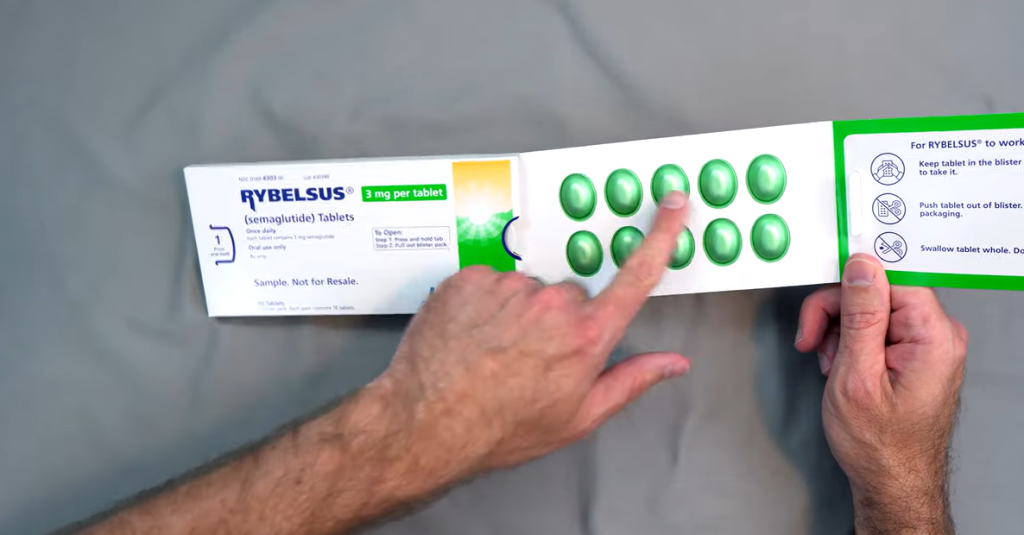
Rybelsus functions mechanistically quite similarly to its injectable equivalents. Semaglutide is a GLP-1 receptor agonist that decreases glucagon levels, pauses stomach emptying, and increases insulin release in response to meals. Adults who suffer from blood sugar rises and post-meal weariness will benefit most from these three effects.
The pill’s bioavailability is what makes it so effective. Because semaglutide is difficult to absorb when ingested, GLP-1 medications have traditionally been injectable. But Novo Nordisk found the answer by combining it with SNAC, a special absorption enhancer. The active ingredient is able to get past some of the digestive hurdles that peptide-based medications usually encounter because to this combination.
A1C values frequently significantly decline in patients using the maximum dosage, 14 mg per day. Although it is not the main goal of the medication, many also report slight weight loss, which is seen to be a particularly advantageous side effect. The medication’s popularity extends beyond diabetes treatment due to its ability to reduce weight, particularly among doctors who cautiously prescribe it off-label.
However, there are certain disadvantages to Rybelsus. Nausea and diarrhea are typical early side effects. Although the soreness normally goes away with time, some people find it to be sufficient to discontinue treatment. Patient tolerance has significantly improved as a result of doctors now advising beginning with the lowest dosage and gradually increasing it.
Discussions with endocrinologists have been hopeful in recent months. According to a clinician I spoke with, Rybelsus is a very adaptable medication that is perfect for patients who are not yet ready for injectables or who value the convenience of the tablet. Because of its adaptability and the cardiovascular advantages seen in larger semaglutide trials, Rybelsus is becoming more and more important in contemporary medicine.
Cost is still a hurdle, though, like many medicines. Depending on their insurance status, some patients are eligible for savings cards that lower their monthly out-of-pocket expenses to $10, but others must pay much more. Despite the medication’s promise to improve life, uninsured people may find it frustratingly unaffordable.
Although a boxed warning cautions against usage in people with a personal or family history of medullary thyroid cancer, the safety profile is generally good. Even if this risk hasn’t been proven in people and is based on research on animals, it is still a required precaution, particularly when considering long-term use.
In my opinion, Rybelsus is unique since it transforms the patient experience. It does not pose the risk of everyday hypoglycemia like insulin does. For most people, it doesn’t cause the same level of gastrointestinal distress as metformin. Additionally, it blends in seamlessly with everyday life without the need for equipment or refrigeration, unlike weekly injectables.
Rybelsus provides a remarkably accessible entry point for newly diagnosed early-stage patients. Advanced glycemic control without the need for needles is a critical gap that it fills. Less stigma, less fear, and greater autonomy are just a few of the emotional effects that are difficult to measure but profoundly felt.
I’ve heard accounts of people cramming Rybelsus into carry-on bags over the past year without raising any red flags with airport security. One man talked about how he felt “like a normal traveler again” at last. He valued that feeling of normalcy more than any number, despite its subtlety.
Higher-dose oral semaglutide is presently being tested by Novo Nordisk to treat obesity. If authorized, Rybelsus might be used for purposes other than glycemic control. However, as of right now, the medication already acts as a doorway, exposing patients to a novel approach to care that is less intrusive, more user-friendly, and surprisingly empowering.