When Tyra Banks first took control of a television set, it was difficult to distinguish between the executive and the model. She did more than just host America’s Next Top Model while standing in harsh studio lighting. She was in charge of the space. When she walked in, contestants straightened up, producers leaned slightly closer, and it appeared as though the cameras revolved around her instead of the other way around. That might have been the turning point for her TV franchise, turning it from a reality show into something more.
Reality television was still finding its own appetite for change when the show debuted in 2003. Audiences had demonstrated a love for competition through shows like Survivor, but Banks brought something more personal—and occasionally awkward. She wasn’t just getting rid of competitors. Hair, posture, confidence, and personality were all being reshaped by her. One gets the impression from watching those early episodes that the show was about more than just modeling. It had to do with power.
| Full Name | Tyra Lynne Banks |
|---|---|
| Birth Date | December 4, 1973 |
| Birthplace | Inglewood, California, USA |
| Profession | TV Host, Producer, Model, Entrepreneur |
| Most Famous TV Franchise | America’s Next Top Model |
| Franchise Run | 24 cycles (2003–2018), potential revival |
| Current Project | Reality Check: Inside America’s Next Top Model (Netflix) |
| Business Ventures | Smize & Dream, media production |
| Reference |
The franchise grew into a global machine over the course of 24 cycles, inspiring international adaptations and shaping the way reality shows portrayed personal development. Networks made money. Advertisers recognized a chance. Ownership was recognized by banks. She created, produced, and served as the show’s emotional core in addition to being its face, creating a media empire that went well beyond the runway.
However, success rarely comes without repercussions. Online users continue to relive the now-famous altercation between Banks and contestant Tiffany, in which Banks yelled, “We were all rooting for you.” It feels different to watch that scene years later. More tension than inspiration is present. Banks has expressed regret after considering the pressure she was under at the time—pressure that was both cultural and personal.
While attempting something approaching reconciliation, the recently released Netflix documentary Reality Check: Inside America’s Next Top Model reopens old wounds. Jay Manuel and other former judges discuss complex relationships behind the camera, implying cracks that are hidden from the public. Reminiscent of emotional exhaustion, some former contestants suggest that few fully understood the cost of the transformation.
Whether viewers today perceive Banks as a villain, a visionary, or something else entirely is still up for debate. Cultural norms have changed. Things that used to be considered dramatic television now seem harsher, even intrusive. There is a sense of unease mixed with nostalgia when rewatching those scenes.
Nevertheless, Banks doesn’t appear to be prepared to let go. Instead of casting calls and runway challenges, she has publicly discussed bringing the franchise back to life with a new cycle, possibly reintroducing it to a generation that grew up on Instagram and TikTok. Perhaps realizing that the franchise’s name still has clout, networks and investors seem cautiously interested.
The buildings themselves appear surprisingly ordinary as you stroll through the studio lots in Los Angeles where programs like Top Model were once filmed. Neutral gray paint was used on the sound stages. Doors with labels that are fading. However, something altered television in those rooms. Banks contributed to demonstrating that reality television could create personal brands just as effectively as dramas with written scripts.
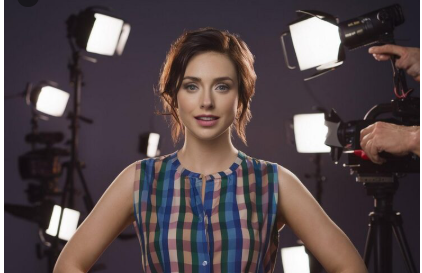
She had more goals in mind than that. In addition to television, Banks started companies like Smize & Dream, an ice cream line that reflects her signature mix of strategy and whimsy. It seems like she was constantly getting ready for life off the catwalk as we watched her go from model to businesswoman.
Even reality TV has changed. These days, shows are sleeker, more self-aware, and occasionally kinder. Agents and social media followings are already established when contestants arrive. Top Model might not be able to continue in its current form. Or perhaps, with hindsight, it might.
The franchise was captivating for reasons other than its aesthetic appeal. Vulnerability was the issue. Participants sobbed. failed. changed. In the middle of those moments, Banks pushed, guided, and occasionally crossed boundaries. As you watched this develop over time, you got the impression that the show was reflecting something more profound about ambition in general.
Supporters are still split. Some people applaud Banks for creating opportunities for diverse models who were underrepresented. Others concentrate on the psychological toll, wondering if the price was too high. Both viewpoints seem legitimate.
Clean legacies are rarely found in television. It provides influence. Influence also endures. Now in her fifties, Banks has a different demeanor. more thoughtful. more intentional. However, her words retain the same intensity, implying unresolved matters. Her franchise is not content to remain in the past.
And there’s always the chance that Tyra Banks is getting ready to call another young aspirant forward and ask them to prove they belong, somewhere, under bright studio lights that haven’t been turned on yet.