The action seems nearly illogical at first. A pharmaceutical corporation willingly reduces the cost of its best-selling medications. However, Novo Nordisk has started doing just that, cutting Wegovy and Ozempic’s list pricing in the US by as much as half. The decision was initially made quietly, but analysts started recalculating revenue forecasts within hours. The tone abruptly changed. This was more than a discount. It seemed to be a planned price war.
Pricing has long been viewed as a defensive barrier in the pharmaceutical industry. Blockbuster pharmaceuticals frequently keep their high list costs for years before progressively lowering them through insurance discussions and rebates. That rhythm is upset by Novo’s choice. Although it’s still uncertain if the gamble will pay off, investors appear to think the corporation is trading short-term margin for long-term dominance.
Key Information About the Companies and Drugs
| Category | Details |
|---|---|
| Company | Novo Nordisk |
| Headquarters | Bagsværd, Denmark |
| CEO | Lars Fruergaard Jørgensen |
| Flagship Drugs | Wegovy, Ozempic, Rybelsus |
| Industry | Pharmaceutical / GLP-1 Obesity & Diabetes |
| Key Competitor | Eli Lilly |
| Planned Price Cuts | Up to ~50% in U.S. market |
| Effective Timeline | Beginning January 2027 |
| Strategy | Direct-to-consumer pricing, accessibility expansion |
| Reference | https://www.novonordisk.com |
The tale revolves around competition with Eli Lilly. Zepbound and Mounjaro, two of its competitors, are increasingly receiving prescriptions for obesity. Nowadays, clinics in suburban hospitals frequently talk to patients about both choices, sometimes comparing them side by side on laminated charts. The rivalry seems more personal and less scholarly.
The pressure from compounded alternatives may potentially be the reason behind Novo’s price reductions. Semaglutide variants that are less expensive have started to be offered by telehealth systems, frequently delivered right to patients’ homes. The packaging, which comes in insulated canisters, has a clinical yet straightforward appearance. Although contentious, these substitutes bring price sensitivity to a market that was previously dominated by branded goods.
An further layer is added by government examination. High medicine costs have come under increasing criticism from policymakers, especially when it comes to treatments for common diseases like diabetes and obesity. Novo appears to have changed its prices in part to avoid regulatory action. Before being pushed, the corporation seems to be moving.
The shift is noticeable inside pharmacies. Previously answering inquiries regarding affordability, pharmacists now talk about reduced monthly expenses. Patients who pay with cash are more inclined to think about getting treatment, particularly those without full insurance. As this develops, it appears that even if revenue per prescription declines, demand may rise dramatically.
The new approach is demonstrated by Novo’s direct-to-consumer service, which offers Wegovy for about $349 per month. The UI is simple and effective, much like a standard internet checkout. Although this strategy avoids conventional middlemen, it also modifies expectations. Patients start to see these drugs less as specialist prescriptions and more as subscription services.
The financial ramifications are still unknown. Novo has already issued a warning about “unprecedented pricing pressure.” Analysts predict a brief decline in margins. However, the business seems prepared to accept that result. It’s feasible that the next arena of competition will be scale rather than pricing.
Other pharmaceutical companies are keeping a careful eye on this. Businesses creating solutions for obesity are currently in a difficult position. Maintain higher pricing and run the danger of losing market share, or match lower prices and reduce margins. The industry, which was used to stable prices, now appears to be more unstable.
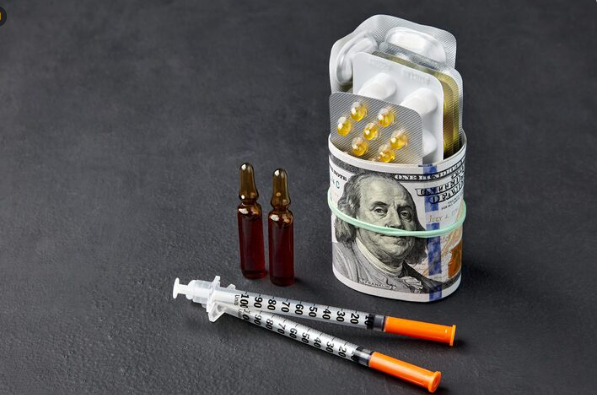
In some markets, semaglutide patents are about to expire. Particularly in emerging economies, generic and imitation versions may become available. Novo may be trying to establish dominance before that wave comes with its aggressive price. Regarding whether the strategy is aggressive or defensive, investors appear to be split.
It’s difficult to ignore the larger societal change. Weight-loss medications are now a common topic of discussion rather than a specialized treatment. They are often mentioned in social media conversations, offices, and gyms. Reduced costs might hasten uptake and further integrate these treatments into routine medical choices.
But there are still risks. Supply issues are brought on by the rapid growth in usage. Manufacturing plants that are already running at full capacity might find it difficult to keep up. Lower costs by themselves won’t ensure accessibility if shortages resurface. It becomes crucial to strike a balance between production and demand.
There has been a mixed response from the market. Some pharmaceutical stocks saw a modest decline as they moved carefully. Deeper concerns about industry economics are reflected in the uncertainty. Revenue models across several medicine categories may change if one big player lowers pricing.
Additionally, there is an emotional undertone. Patients saw these procedures as life-changing but unaffordable for years. That perspective is altered by lower prices. There’s a sense that the discussion around treating obesity is changing as you watch patients in waiting rooms talk about affordability.
In the end, Novo Nordisk’s approach might change more than just competitiveness. It might completely change the way popular medications are marketed, priced, and supplied. It’s unclear if this pricing war makes things more accessible or just makes competition more intense.
For the time being, the ruling makes it quite evident that competition exists even for the most lucrative treatments. Furthermore, price, which was once steady, has emerged as the newest battlefield in a market that is influenced by both science and economics.