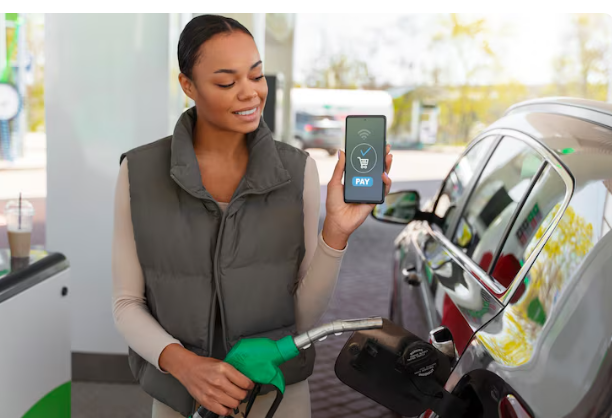
In Sri Lanka, the line outside a gas station now has a different appearance. Calmer, but not precisely shorter. Instead of cash, drivers exit their cars with phones. A code is scanned by someone. The pump turns on. Arguments and yelling have decreased. The beat has shifted, although it’s slight.
At a time when energy concern seems to be returning, the gasoline QR system—officially known as the National gasoline Pass—is being reintroduced. Authorities were forced to reinstate the digital rationing mechanism due to rising demand, supply difficulties, and geopolitical tensions. Policymakers may have thought that this was the easiest approach to prevent anarchy.
Key Information About Sri Lanka Fuel QR Code System
| Category | Details |
|---|---|
| Program Name | National Fuel Pass (QR System) |
| Country | Sri Lanka |
| Relaunch Date | March 15, 2026 |
| Managed By | Ministry of Energy |
| Purpose | Controlled fuel distribution |
| Requirement | Mandatory QR code for fuel purchase |
| Registration Portal | https://fuelpass.gov.lk |
| Success Rate | ~95% operational efficiency |
| Additional Measure | Possible odd-even number system |
| Reference | https://www.dailymirror.lk |
The internet portal at fuelpass.gov.lk is the program’s focal point. Owners of vehicles must register, get a QR code, and show it at gas stations. On paper, the system appears straightforward. It feels more complicated on the ground.
A motorcyclist in Colombo finds it difficult to load the code on an outdated smartphone one morning. A station employee waits calmly. Drivers behind them are surprisingly composed. Although it slows down, the process does not break down. People seem to have learned from past shortages as they watch things develop.
A 95% success rate is reported by the government. Although it allows for errors, the figure sounds comforting. Scanning issues are mentioned by certain users. Others lament the length of time it takes to register. Still, the method seems more organized than the lengthy queues in the past.
Additionally, there has been discussion about adding an odd-even license plate restriction to the QR system. Uncertainty is introduced by that possibility. Drivers wonder whether access might tighten further. The balance between control and convenience remains delicate.
The Ministry of Energy framed the decision as necessary. Supply disruptions linked to Middle Eastern tensions reportedly increased pressure. Demand at home also increased. Unrestricted access may result in hoarding under such circumstances. The QR system makes an effort to stop that.
It’s difficult to ignore how everyday routines are shaped by digital solutions. Purchasing fuel now requires planning. Before leaving the house, drivers check their phones. It becomes the same as forgetting a wallet if you forget the QR code.
The change feels sudden to senior citizens. In Kandy, a taxi driver talks about asking his son to take care of registration. Although the technology is effective, it alters relationships. Fuel access includes digital literacy.
The system seems to carry stress as well as release. relief because lines are still controllable. tension since scarcity is indicated by rationing. The existence of controls makes people aware of their vulnerability even when pumps are operating regularly.
Economic context is equally important. Deep impressions were left by Sri Lanka’s recent financial difficulties. Fuel shortages used to stop business and transportation. In contrast, the QR system seems to be proactive rather than reactive.
The scanning procedure proceeds swiftly at some sites. An employee is holding a portable gadget. There’s a beep. Fuel moves. The effectiveness seems almost normal. The technology becomes insignificant during those times.
Questions remain, though. Whether the system will remain temporary or develop into permanent infrastructure is still up in the air. Digital rationing may become commonplace during erratic supply cycles, according to some observers.
The atmosphere is practical as you watch drivers adjust. Few people applaud the system. Few are adamantly against it. Most only make adjustments. Fatigue with uncertainty may be shown in that silent acquiescence.
Fuel is just one aspect of the wider implications. Scarce resources are being managed via digital governance systems. QR-based solutions are becoming more common in everything from transportation to electricity. The experience of Sri Lanka might have an impact on other nations under comparable strains.
The psychological component is another. Anxiety is decreased when stations are in order. When regulations are clear, even restricted access feels manageable. Clarity is more important than quantity.
Parked cars reflect sunlight in the late afternoon. After scanning his code, a driver gets fuel and leaves. No disturbance. Don’t hurry. Just movement. The system doesn’t solve underlying supply challenges, but it changes how people experience them.
Watching this unfold, it’s hard not to feel that the Fuel QR Code Sri Lanka program represents more than logistics. It’s a quiet experiment in managing scarcity—one scan at a time.