Contributed content: this article was written by a third-party contributor and does not necessarily reflect the views of PR News Blog. Editorial and Advertising Policy
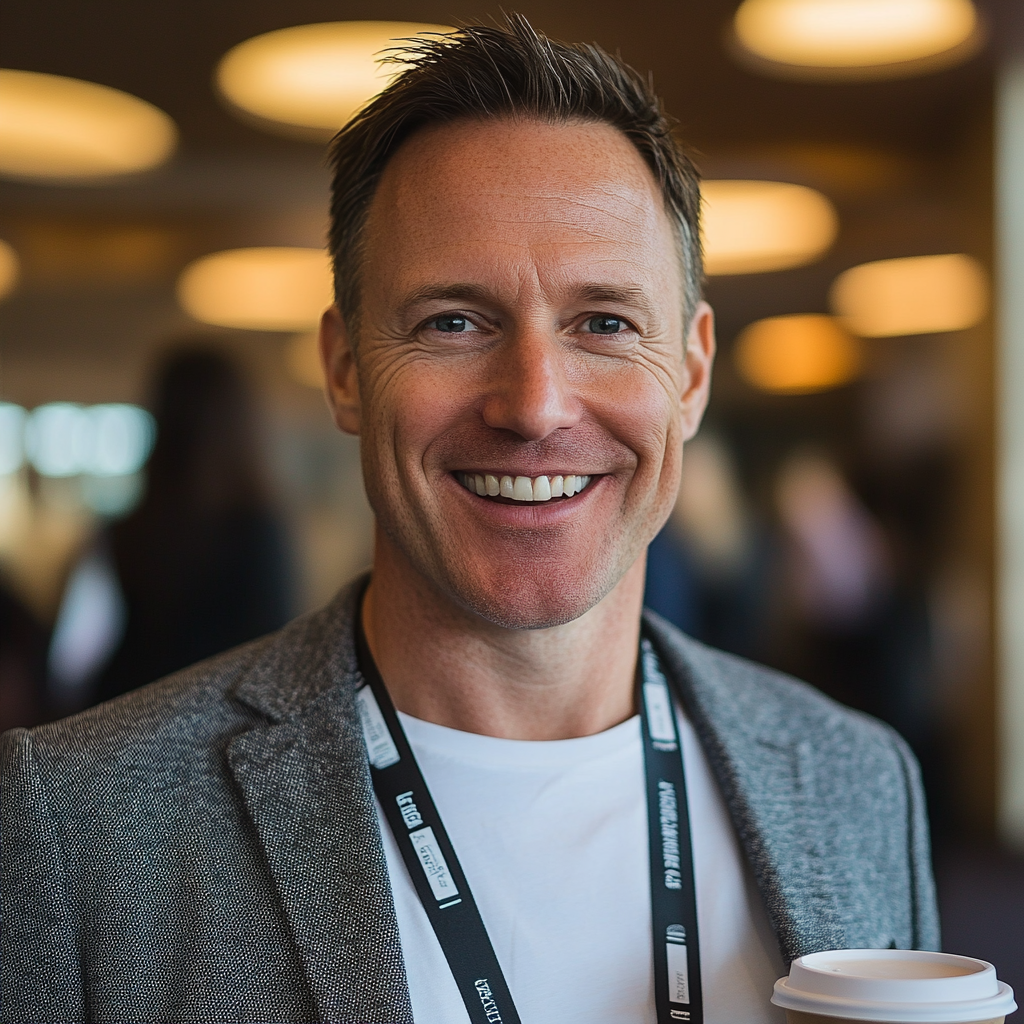
Gregor Gregory Founder of AAUG Realty is a Hollywood, Florida-based entrepreneur whose career spans real estate, finance, and reinsurance. In 2002, he founded AAUG Realty, guiding the acquisition and development of coastal South Florida properties for six years before turning his focus toward Northernlight Reinsurance Group, Inc., which he has led since 2015. Gregory holds a master of science in entrepreneurship from Syracuse University and dual bachelor’s degrees in finance and international business from Northeastern University, where he was recognized with a Wall Street Journal Award. Early in his career, he worked as an equity and currency trader with Fidelity Investments and John Alden International. That entrepreneurial foundation, built through decades of navigating shifting markets and industries, offers a useful lens for examining how business owners today can manage global economic uncertainty.
Entrepreneurs have always operated in environments shaped by change, but today’s global economy presents a level of uncertainty that can challenge even the most experienced business leaders. Geopolitical tensions, inflationary pressures, shifting consumer behavior, supply chain disruptions, rapid technological advances, and evolving regulations all contribute to a business landscape that can feel unpredictable. The ability to navigate uncertainty effectively can often determine whether a business simply survives or emerges stronger and more competitive.
One of the most important steps entrepreneurs can take during periods of economic uncertainty is maintaining a strong focus on financial management. Entrepreneurs should regularly review financial statements, monitor expenses, and develop realistic forecasts based on multiple economic scenarios. Building cash reserves can provide a valuable buffer against unexpected downturns and allow businesses to continue operating, even when revenue fluctuates.
Diversification is another powerful strategy for managing economic uncertainty. Businesses that rely heavily on a single customer, product, supplier, or market are often more vulnerable to disruptions. Entrepreneurs can reduce risk by expanding their customer base, introducing complementary products or services, or exploring new geographic markets.
Economic uncertainty often changes customer priorities, purchasing habits, and expectations. Entrepreneurs who actively monitor market trends and listen to customer feedback are better positioned to adjust their offerings and strategies. Rather than viewing change as a threat, effective business leaders see it as an opportunity to identify emerging needs and develop solutions that address them. Businesses that can pivot quickly often gain a competitive advantage while slower-moving competitors struggle to respond.
Technology plays a critical role in helping entrepreneurs navigate uncertain economic conditions. Digital tools can improve efficiency, reduce operating costs, and provide valuable insights into customer behavior and market trends. Automation can streamline repetitive processes, while data analytics can support more informed decision-making.
Cloud-based systems, e-commerce platforms, and digital communication tools allow businesses to remain flexible and responsive, regardless of external challenges. Entrepreneurs who embrace technological innovation often find themselves better equipped to manage disruptions and capitalize on new opportunities.
Entrepreneurs should invest in building trust with customers, employees, suppliers, investors, and strategic partners. Loyal customers are more likely to continue supporting a business during difficult times, while dependable suppliers can help minimize supply chain challenges. Open communication with employees fosters engagement and encourages collaboration when businesses must adapt to changing circumstances.
Risk management should be an ongoing priority rather than a reactive measure. Entrepreneurs cannot predict every challenge, but they can prepare for a variety of potential scenarios. Developing contingency plans allows businesses to respond more effectively when unexpected events occur. These plans may address issues such as supply chain disruptions, market downturns, cybersecurity threats, or regulatory changes.
Markets, technologies, and consumer expectations evolve rapidly, making it essential for entrepreneurs to stay informed. Following industry developments, participating in professional networks, attending conferences, and seeking guidance from mentors can provide valuable perspectives and insights. Entrepreneurs who commit to lifelong learning are often better prepared to recognize emerging opportunities and respond effectively to challenges.
Economic downturns and periods of instability can create pressure to focus solely on immediate concerns. While short-term survival is important, entrepreneurs must also continue investing in activities that support future growth. Strategic planning, product development, talent acquisition, and customer relationship building should not be neglected simply because market conditions are difficult.
While uncertainty presents undeniable challenges, it also rewards those who remain agile, proactive, and committed to finding opportunities amid complexity. In many cases, the businesses that learn to navigate uncertainty most effectively become the ones that define the future of their industries.
About Gregor Gregory
Gregor Gregory is a Hollywood, Florida, entrepreneur who spent six years leading AAUG Realty, developing coastal properties throughout South Florida. Since 2015, he has served as president of Northernlight Reinsurance Group, Inc., coordinating strategy with underwriters across the surety and property insurance sectors. A Syracuse University and Northeastern University graduate, Gregory began his career as an equity and currency trader with Fidelity Investments. Outside of work, he enjoys skiing, hiking, reading, boating, and fishing with his family.