A Secretary of Defense who worried about his photos during the early months of a war is particularly ironic. Pete Hegseth, the former Fox News host who was confirmed as Defense Secretary in January 2025 and who has reportedly had a hair and makeup studio installed at the Pentagon, found himself at the center of a news story in March 2026 that had nothing to do with military strategy, coalition-building, or the ongoing U.S.-Israel conflict with Iran. It had to do with whether wire service photographers were allowed in the room when he briefed the press. After March 2, the response was no.
On March 11, the Washington Post published the story, citing two individuals with knowledge of the decision who asked to remain anonymous due to fear of reprisals. According to their reporting, staff members for the Secretary of Defense reviewed photos taken at a March 2 Pentagon briefing — Hegseth’s first briefing from the Pentagon briefing room since June of the previous year — and decided the images were not acceptable. Joint Chiefs Chairman General Dan Caine and photographers from the AP, Reuters, and Getty Images had attended that session. Those same photographers were excluded from the briefings on March 4 and March 10 after the images were released and shared. Pentagon staff photographers only, from that point forward. The official statement from the Pentagon, conveyed by press secretary Kingsley Wilson, stated that the modification was about optimizing the briefing room’s space. That answer was deemed unconvincing by the National Press Photographers Association.
Important Information
| Field | Details |
|---|---|
| Name | Pete Hegseth — Secretary of Defense, United States |
| Previous Career | Fox News host — weekend anchor; Army National Guard veteran |
| Confirmed By | January 2025 — confirmed by U.S. Senate after contentious hearings |
| Photographer Ban | DoD barred press photographers from Iran war briefings after March 2, 2026 briefing — blocked from March 4 and March 10 follow-up briefings |
| Reported Reason | Washington Post reported photos deemed “unflattering” by Hegseth’s staff — two anonymous sources confirmed |
| Pentagon’s Official Response | Denied the unflattering photo claim; said change was for “effective use of space in the briefing room” |
| Outlets Affected | AP, Reuters, Getty Images — major wire services shut out; only Pentagon staff photographers allowed in |
| NPPA Response | National Press Photographers Association condemned the ban; president Alex Garcia called it “an astonishingly poor sense of priorities in the midst of a war” |
| Viral Photo Incident | March 24, 2026 — photo with pursed lips circulated widely on social media, drawing mockery |
| Generals Speech | September 2025 — Hegseth addressed 800 generals, demanding physical fitness: “It’s a bad look” to see “fat generals and admirals in the halls of the Pentagon” |
| Media Context | Most mainstream outlets vacated Pentagon press desks after new Trump-era rules restricting reporter movements and source access |
Alex Garcia, President of the NPPA, stated it clearly. He claimed that it demonstrated “an astonishingly poor sense of priorities in the midst of a war” to bar photographers from Pentagon briefings because authorities disapproved of how they appeared in published photos. He went on to say that while government officials retain the authority to decide which pictures of prominent figures can be published, a free press cannot operate. The statement was careful not to be inflammatory, but the phrase “poor sense of priorities in the midst of a war” lands with particular weight given the context. While Hegseth was managing his visual presentation, the United States was conducting military operations that had already involved strikes on Iranian civilian infrastructure and the rescue of two U.S. service members whose F-15E was shot down on April 3.
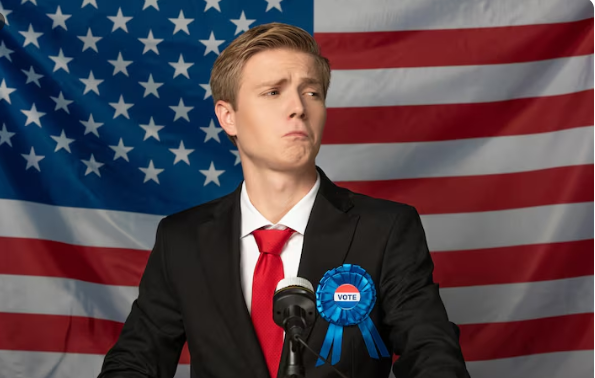
The photographer ban was, by Hegseth’s own staff’s apparent logic, a temporary fix that did not fully work. By late March, another image of Hegseth had gone viral anyway — this one from March 24, showing him with lips pursed in a way that prompted a wave of social media commentary. The reactions ranged from direct criticism to comparisons with historical figures that said more about the commenters’ politics than anything factual. The image spread despite the Pentagon’s earlier efforts to control what the public could see. That is how images work in 2026. There is always another photograph.
What makes the Hegseth image controversy harder to dismiss as trivial is what came before it. In September 2025, Hegseth assembled 800 generals at a single location to address performance and presentation standards. He told them, according to ABC News, that there would be “no more beardos,” and that it was “tiring” and “completely unacceptable” to see overweight generals and admirals in Pentagon halls or leading commands around the world. He called it “a bad look.” The speech attracted significant attention at the time, part curiosity and part disbelief that the Defense Secretary had chosen fitness aesthetics as a theme for a gathering of senior military leadership during a period of active conflict. Watching the photographer ban story emerge just months later, the juxtaposition did not escape notice.
There is a broader context here too. Hegseth has operated within an administration that has, by multiple accounts, made image a governing priority. During his first administration, Trump reportedly turned down John Bolton for the position of Secretary of State in part due to Bolton’s mustache. During his second term, he has reportedly taken detailed interest in his cabinet members’ physical appearance, including footwear choices. Whether Hegseth’s image management decisions are his own or reflect pressure from above is not entirely clear. It’s possible both are true simultaneously — a Defense Secretary who arrived from television and never fully shed its logic, operating inside a White House where appearance is treated as policy.
The harm to press access is evident. Most mainstream news organizations had already vacated their Pentagon press desks rather than accept new rules restricting reporter movements and source contacts. Outlets like Frontlines by Turning Point USA filled some of the space they left behind. The photographer ban was one more step in a pattern that the National Press Photographers Association, the AP, and others have now formally objected to on First Amendment grounds. The conflict with Iran is still ongoing. The press conferences are still going on. Whether they are under control or not, the pictures are still going around.