As the evenings draw in and the school holidays fade into memory, the summer of 2026 is drawing to a close. For retailers, that makes now the most useful moment of the year to look back. Shopping habits shifted the way they always do once the weather turned, more impulse purchases, more outdoor eating and drinking, more spontaneous top-up shops and the stores that planned ahead picked up a meaningful chunk of extra spend without overhauling anything.
Here's where the opportunities showed up this summer, what worked, and what's worth noting down before next year's planning begins.
Cold drinks: the obvious win, and who did it properly
Cold drink sales spiked exactly as predicted once the warm spells arrived, but the retailers who benefited most weren't simply the ones stocking more. They were merchandising smarter. Chiller space expanded to match demand, with water, soft drinks and juices moved to entrances and till points where last-minute decisions get made. Range depth mattered too: a wider spread of flavours and formats, single-serve alongside multipacks, tended to outperform stores that just doubled up on best-sellers.
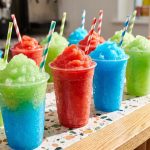
Beyond the standard chiller, a number of stores used the season to try something a little different. Frozen and slush drinks sit in a category of their own, an occasion purchase rather than a straight swap for a can of pop, and one that drew in families and younger shoppers who might otherwise have walked past. Independent retailers who tested the category this year generally found the barrier to entry lower than expected, with machines available without heavy upfront investment and a broad choice of slush syrups making it simple to rotate flavours through the season. It remains a niche addition, but it's a good illustration of how a well-chosen summer category can add incremental spend rather than cannibalise existing sales, and one several stores now plan to bring back earlier next year.
Ice cream and frozen treats
Ice cream held its place as one of the most dependable summer impulse categories, and the difference between a good and a great season often came down to timing. Stores that reviewed freezer capacity and positioning before the peak, rather than scrambling during it, were the ones that avoided empty cabinets on the hottest days. Placing freezers near entrances or outdoor seating paid off, as did stocking a mix of familiar brands alongside a couple of premium or novelty lines. Customers trading up for a treat proved noticeably less price-sensitive than they were on everyday items.
Sun care and travel essentials
Sun cream, insect repellent, plasters and travel-sized toiletries all saw genuine demand this summer, particularly in stores near parks, campsites and transport hubs. These categories are still under-ranged in many convenience stores, which means customers default to supermarkets or pharmacies out of habit rather than preference. The stores that put a small, clearly signposted "summer essentials" fixture near the front captured sales that would otherwise have gone elsewhere, especially from tourists and day-trippers who didn't know the area.
Barbecue season and the last-minute top-up
Barbecue weather delivered its usual, often under-exploited opportunity: the forgotten item. Shoppers who'd already done the main supermarket run discovered they were short of charcoal, buns, condiments, ice, or simply more drinks, and headed to the nearest convenience store rather than making a second trip. The retailers who kept those items stocked, visible and easy to find, particularly at weekends, turned a small oversight by the customer into a worthwhile basket.
Trading hours and evening footfall
Longer daylight hours pushed footfall later into the evening once again. Stores that had checked till and staffing data from previous summers and adjusted their rotas accordingly were open when the customers were there. Those that hadn't will have lost an hour or so of genuine trade on the lighter evenings, a straightforward, avoidable loss that's worth flagging in the notes for next year.
The basics still mattered most
Amid all the seasonal ranges, the fundamentals did as much work as ever: clean, well-stocked shelves, chillers and freezers that actually held temperature through the heat, and staff who knew where the new seasonal stock was. A well-executed core offer consistently outperformed a flashy seasonal display that nobody was maintaining.
Planning for next summer starts now
The retailers who got the most out of this summer were rarely the ones reacting to a warm weekend after it had already happened. They'd reviewed the previous year's sales, ordered seasonal stock early, and tested one or two new categories rather than reinventing the whole store. With the season winding down, the sales data from the past few months is the most valuable planning tool available, and it's far easier to act on now than it will be in the spring.
Summer only lasts a few months, but the habits and loyalty built during it, from a customer who found exactly what they needed on a hot day, can last considerably longer.