The morning routine at a primary school in Enfield went on almost as usual, but the empty spaces between the desks told a quieter story about how quickly a virus can break up the steady rhythm of childhood. Teachers kept teaching, but they kept looking at the attendance sheets.
Measles has spread through parts of North London in the past few weeks at a speed that is very similar to how sparks move through dry grass. This has worried parents and health officials who had hoped that such outbreaks would stay in the past. Most of the people who got sick were children who hadn’t gotten all of their vaccinations.
North London Measles Outbreak Overview
| Category | Details |
|---|---|
| Location | Enfield and Haringey, North London |
| Time Period | January to February 2026 |
| Confirmed Cases | 34 laboratory-confirmed cases |
| Suspected Cases | More than 60 suspected in schools and nurseries |
| Main Group Affected | Unvaccinated children under age 10 |
| Vaccination Rate | 64.3 percent fully vaccinated at age five |
| Hospitalisations | Some children required hospital care |
| Health Authority | UK Health Security Agency |
| Key Risk Factor | Low uptake of MMR vaccine |
| Prevention Method | Two doses of MMR vaccination |
The virus moves from one child to another very quickly and effectively, taking advantage of weak spots in protection like a swarm of bees looking for open flowers, and it gathers opportunity wherever immunity has dropped significantly. This pattern has made schools and daycares especially dangerous places to be.
Health officials confirmed that some kids needed to go to the hospital, which understandably upset families and showed how important prevention is. Most kids get better completely, but complications like pneumonia or inflammation can happen out of the blue, so they need to be watched closely.
In some parts of London, vaccination rates have dropped significantly over the past ten years, making communities more vulnerable than many parents realize. In Enfield, just over sixty-four percent of five-year-olds had gotten both recommended doses. This is a lot lower than the level needed to keep the community safe. That number, while technical on paper, means that people are actually at risk.
When vaccination rates go down, the overall level of protection goes down, which makes it easier for infections to spread through communities, especially among young children whose immune systems are still growing. This change has made an illness that could have been avoided a big worry again.
One parent said that when they got a call from school, it seemed like a normal call at first. But when the word “measles” came up, the whole afternoon changed from normal to scary. She spoke calmly, but her hands moved around a lot as she remembered picking up her child early.
Councils and clinics have acted quickly by working closely with local health partners. They have made it easier for people to get vaccinated and shared very clear advice that helps families understand both the risks and the solutions. These things are especially helpful for rebuilding trust.
The measles vaccine itself is still very effective, and getting both doses gives you a lot of protection. Its effectiveness has been very stable, stopping outbreaks and keeping people who can’t get vaccinated safe. But people’s trust in vaccines has changed.
Some families started to hesitate slowly, due to false information, uncertainty, or delays that seemed harmless at the time. Some people thought that measles had completely gone away, which made vaccination seem less important than it really was. This outbreak has changed how people see things.
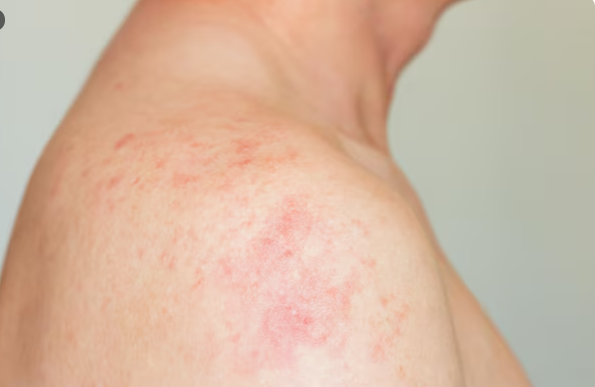
Doctors now stress that measles spreads much faster than many illnesses that parents see all the time, moving silently through classrooms before any symptoms show up. This trait makes prevention very important and early intervention very effective.
Many families have already responded positively, booking catch-up vaccinations and looking for reliable information. This is a good sign. Clinics are open longer, making it surprisingly easy and cheap to make appointments, which removes barriers that used to keep people from going. At the school gates, people are talking about different things.
Parents who used to not talk about vaccines much now share their experiences openly, compare advice, and push each other to act quickly. This shared understanding is a significant step toward rebuilding community protection. Health officials are still cautiously hopeful.
They think that by getting more people vaccinated, they can greatly slow the spread of the disease, which will protect both people and neighborhoods. This plan is simple, but it has worked very well in past outbreaks.
Healthcare workers who have recently visited local clinics said their work was both urgent and hopeful. They focused on finding solutions instead of blaming parents, which made them feel informed instead of pressured.
Vaccination feels like a normal part of life, but its effects are very important. A small shot can protect kids from getting sick and keep communities from getting upset for years. This simplicity makes prevention especially new in how well it works.
Since the outbreak started, people have become much more aware of it, and families are looking for information and taking steps to keep their kids safe. This answer shows that everyone agrees that health is a shared responsibility. That realization is quietly comforting in some way.
Measles spreads quickly, but so does protection, which rebuilds the invisible shield that keeps communities safe.